
Contracts & Agreements
Coaching Contract Template for Life Coaches
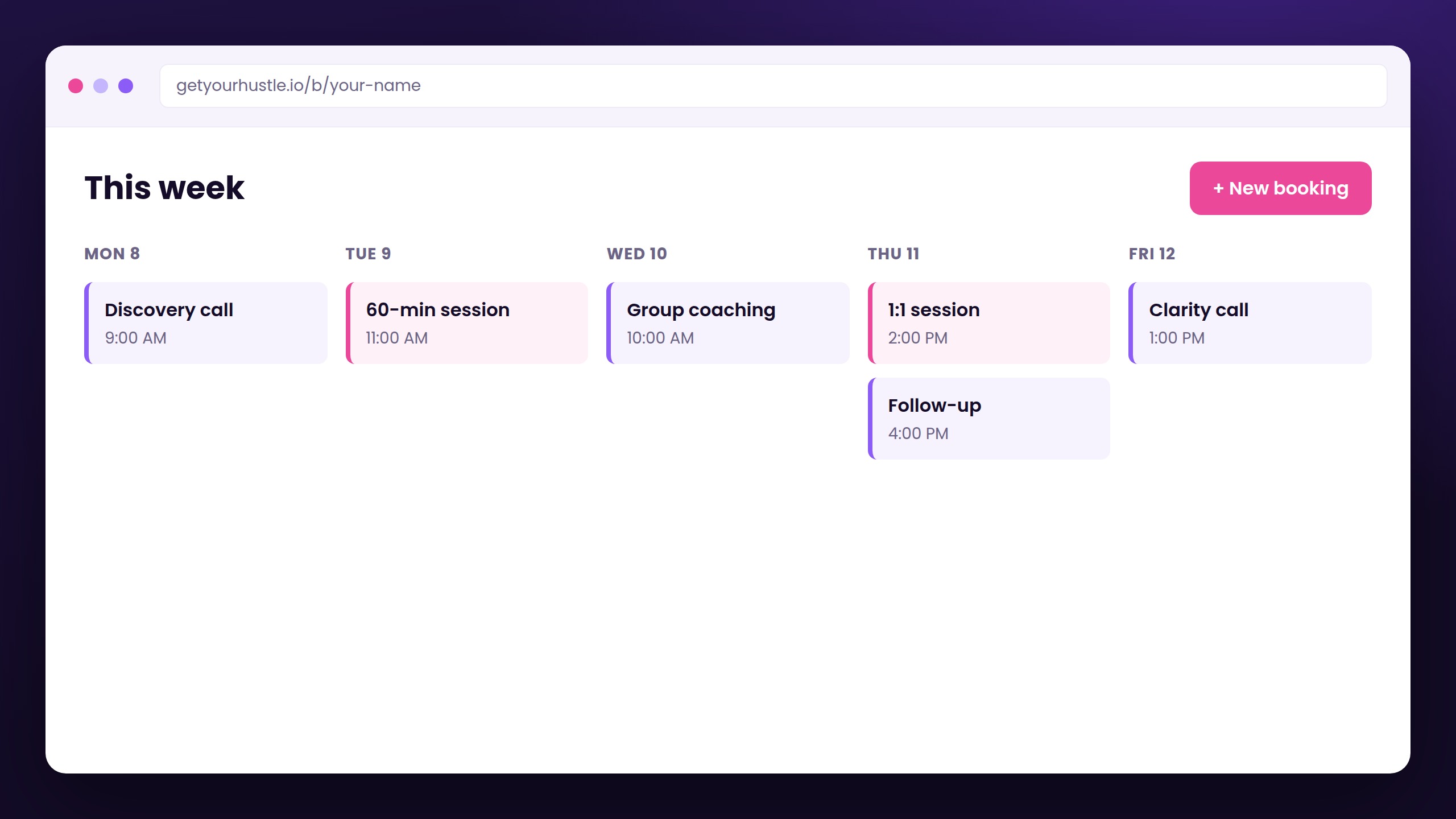
Most coaches don't love contracts. The whole point of coaching is a trusting, forward-looking relationship, and a formal legal document can feel like the wrong note at the start. But a coaching contract template can help protect that relationship rather than complicate it. Clear expectations on paper mean fewer misunderstandings later, and misunderstandings are the thing that actually damages trust.
Here is how to build a solid coaching agreement, clause by clause, plus what to do with it once it's written.
What a Coaching Contract Template Should Cover
You don't need a 12-page document. A focused agreement that covers the right ground is more likely to be read and understood than a wall of legalese. These are the sections that consistently matter in a coaching context:
1. Scope of services Define what coaching is and, importantly, what it isn't. Coaching is not therapy, counseling, or medical advice. Stating this clearly can help set the right frame for clients who may arrive with expectations shaped by other kinds of support, and is generally considered good practice from a professional clarity standpoint.
2. Session structure How many sessions are included? How long is each one? Are they weekly, fortnightly, or flexible? If you offer packages, spell out what happens to unused sessions if the client pauses or leaves early.
3. Fees and payment schedule List the total fee, the payment schedule, and what payment methods you accept. If you require a deposit to hold a spot, say so here. This is not the place for vague language like "payment due at session time."
4. Cancellation and rescheduling policy Most coaching disputes come down to last-minute cancellations. A clear policy, stated upfront and agreed to in writing, removes the awkwardness from what would otherwise be an uncomfortable conversation mid-engagement.
5. Confidentiality Clients share a lot in coaching. Reassure them that what they say stays between the two of you, and note any limits to that confidentiality (for example, situations involving risk of harm).
6. Termination clause Either party should be able to end the engagement. State how much notice is required and what happens to any prepaid sessions or outstanding invoices.
7. Client responsibilities Coaching only works when the client does the work. A short clause acknowledging that outcomes depend on their participation sets an honest tone from the start.
8. Signatures and date An unsigned contract is just a document. As a general guideline, collecting a dated signature from both parties before the first session is widely recommended, though requirements can vary by location, so check what applies in your jurisdiction.
A Simple Coaching Contract Template (Adapt as Needed)
Here is a plain-language starting point you can copy into your preferred tool and edit:
Coaching Agreement
Coach: [Your Name], [Business Name] Client: [Client Name] Start Date: [Date]
Services: [Your Name] will provide [X] coaching sessions of [Y] minutes each, focused on [coaching niche/goal area]. Coaching is not therapy, counseling, or professional advice in any regulated field.
Schedule: Sessions will take place [weekly/fortnightly/as scheduled] via [video/phone/in person]. Session times are confirmed by mutual agreement.
Fees: The total fee for this engagement is [amount]. Payment is due [on signing / on the first of each month / per session]. A deposit of [amount or "N/A"] is required to secure the start date.
Cancellation Policy: Sessions cancelled with less than [24/48] hours' notice will be charged in full. Rescheduling with more than [24/48] hours' notice is permitted once per month at no charge.
Confidentiality: All information shared in sessions is confidential. Exceptions apply where disclosure is required by law or where there is a risk of harm to the client or others.
Termination: Either party may end this agreement with [two weeks'] written notice. Prepaid sessions that fall within the notice period will be refunded; sessions after notice is given will not be billed.
Client Responsibilities: The client understands that results from coaching depend on their active participation and follow-through between sessions.
Signatures:
Coach: _________________________ Date: ________
Client: _________________________ Date: ________
Adjust the specifics to match your practice. If you work in a jurisdiction with particular contract requirements, have a local solicitor or attorney give it a quick look.
How to Send Your Contract Before the First Session
Writing the contract is the easy part. The friction usually comes in the delivery: emailing a PDF, waiting for a signature, chasing it down, then manually matching it to the booking. That loop adds steps and creates gaps where things fall out of sync.
A smoother approach is to attach the agreement directly to your booking flow so it's completed before a client ever lands on your calendar. When booking and client records are kept together, the signed agreement sits alongside the session details, intake responses, and payment record automatically. That's exactly how it works inside HustleHub: the per-service intake form lets you collect a signature or written acceptance as part of the booking itself, so by the time a session appears in your calendar, the agreement is already done. No separate tool, no chasing.
Combine that with a clear cancellation policy stated in your agreement and automatic appointment reminders going out to clients, and the admin that surrounds each session is handled as part of the booking process rather than separately.
Getting Clients to Actually Read It
Keep the language plain. If your contract reads like it was written for a courtroom, clients will skim it, click "agree," and later claim they didn't know about the cancellation policy. Short sentences, numbered clauses, and everyday vocabulary are genuinely more protective because they're actually understood.
Send it early. Attaching the contract to the booking confirmation, rather than a separate email a few days later, means the client sees it while they're still engaged and motivated. Waiting gives doubt a chance to set in.
A good coaching contract template is not about distrust. It's about starting the relationship with the same clarity you'll bring to every session. Get it right at the beginning and the working relationship is cleaner for everyone.
If you're setting up your practice from scratch, the booking software for life coaches page covers how the booking and client management side fits together.
Free Coaching Packages & Pricing Template
Pick your niche, build three package tiers, and set your rates with guidance, plus a matching proposal and first-invoice template. Enter your email and I will send it straight over.
Want this to send your proposals and book your calls automatically? That is HustleHub. Free to join.
Get more tips like this
Subscribe to The Back Office, our newsletter for solo service owners: practical playbooks straight to your inbox, about twice a month. No spam, unsubscribe anytime.
HustleHub: get booked, get paid. Free to join. Join the Founding 100.